MIX·ALLOpen
Seat$15you buy your own drink
Tablemax 20
San Diego · in person · 5–20 traders
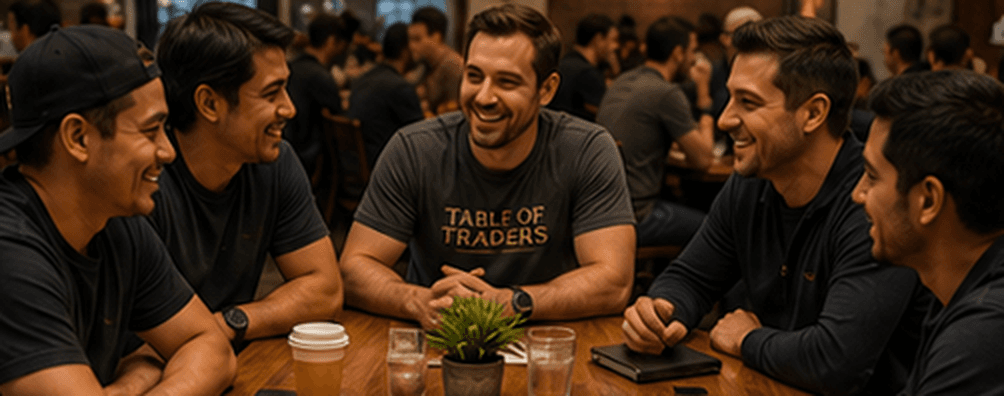
Prebooked, organized meetups where San Diego traders actually meet each other. Real people, real connection, no networking event required.
Book a seat
Retail trading is one of the most isolating things you can do for a living.
You sit alone. You win alone, which nobody really wants to hear about, and you lose alone, which you don't want to tell anyone about. The people in your life mostly don't understand what you do all day, and the people who do understand are strangers on the internet with cartoon avatars.
There are four trading groups on Meetup in San Diego with about 2,300 members between them. Not one has met in person in years.
So I started this.
A table that's already booked. A small group of traders who trade the way you trade — I organize each table by market and style, so you walk in already knowing you have something to talk about. Introductions get made at the start so nobody's standing around. Ninety minutes with a clear end time.
No presentations. No course. No signals. Nobody is selling anything — that's the one hard rule.
Just other people who do the same strange, solitary job you do.
How it works
Each one is organized by what and how you trade.
$25 for the seat. You buy your own drink.
I'll be there early, I make the introductions, we're done at the stated time.
What you're paying for
Anyone can book a table at a taproom. The work is deciding who's at it.
When you book, you answer about a dozen short questions — what you trade, what you actually hold and for how long, how long you've been doing this, whether you'd rather learn from someone further along or be the one answering the questions, and who you'd like across the table from you.
Then I score every booking against every other person on that table, on four things:
What you trade has to be what they came for, and what they trade has to be what you came for. One-way doesn't count.
Someone scalping in seconds and someone holding three weeks have almost nothing to compare. Those don't go on the same table.
If you've said you want people further along, you don't end up on a table where nobody offered to be that person.
Mean reversion, breakout, momentum. A shared approach is a bonus rather than a requirement.
If your answers don't fit the table you picked, the form tells you before you pay and points you at the ones that suit you better. You can still book the one you wanted.
That's what the $25 is for. The coffee you're buying yourself.
Who runs this
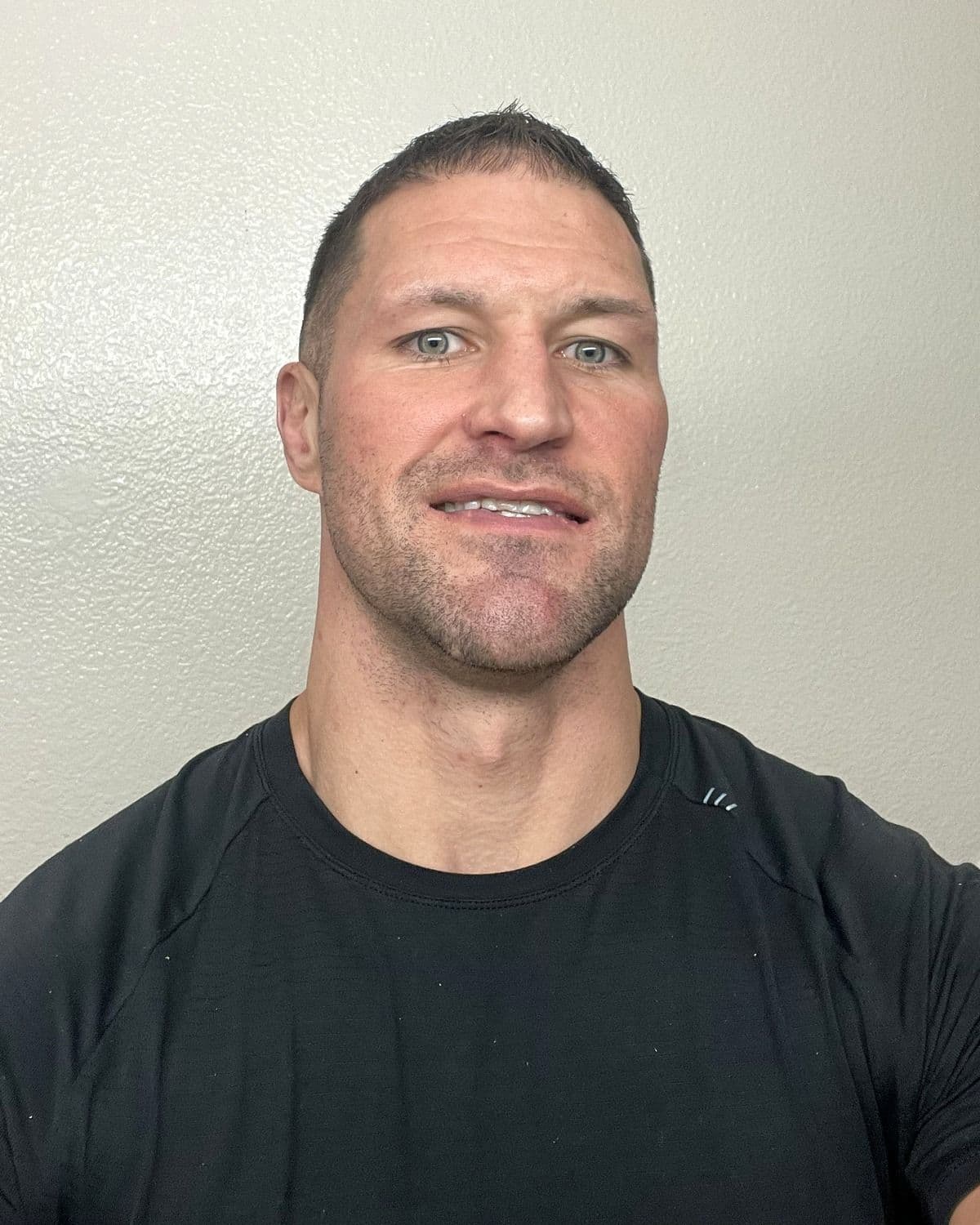
I'm Kyle. I've traded options and futures for about four years, almost all of it from a desk at home in San Diego.
I've tried the Discords and I've gone to the events. And I'd stand there telling myself I was going to talk to someone, then drive home having talked to nobody. Not because I didn't want to — because walking up to a stranger in a crowded room is a specific skill, and it isn't the one I've spent four years practicing.
So I stopped trying to get better at working a room and built the thing where you don't have to.
I built it because I wanted to be at it.
Questions
Nobody knows anyone at their first table. That's the normal state, not the exception.
I'm there before anyone else arrives and I make the introductions, so you're not walking in and scanning the room. You sit down, I tell you who everyone is and what they trade, and it goes from there.
No. Nobody asks for numbers and you never have to give them.
Most of the conversation is about how people trade — instruments, setups, what's been working and what hasn't — not what anyone made or lost. If you want to talk numbers, you can. If you'd rather not, nobody will notice.
That's fine. The intake form asks how long you've been trading, so I know who's coming and can put the table together accordingly.
Nobody is going to quiz you. The one thing worth knowing: nobody at the table is going to teach you a system, because nobody is allowed to sell one.
No. There is no presentation, no slides, no speaker, no curriculum.
It's a booked table and a small group of people who do the same job. If you want a course, there are a thousand of them, and I don't sell any of them.
Then don't. Plenty of tables are at coffee shops, and at the ones that aren't, ordering a coffee or a soda is completely unremarkable.
The form asks whether you drink only so I can pick a venue that works for whoever's coming. Nobody comments either way.
Tell me. More than 24 hours out, I refund you or move it to another date, no questions.
Inside 24 hours, or if you just don't turn up, the fee is gone — the seat was held and the table was planned around you. A day's notice is all I ask, and it's one email.
No, and it's the one rule I'll end an invitation over.
No courses, no signals, no paid Discords, no prop-firm affiliate links, no recruiting — not at the table, not in the parking lot, not in a DM afterward. The intake form asks directly whether you're selling anything trading-related, and I read the answers.
Every table is tagged with a market and a style before it goes up — futures day traders, options swing traders, and so on — and you pick the one that matches how you trade.
There is no queue and no algorithm deciding for you. If your answers on the form don't match the table you picked, the form says so at the time and points you at the ones that fit better. You can still book the one you wanted.
I'll email you when new tables go up. A few lines, no more than once a week, and nothing else — no course, no newsletter, no pitch.